The History Behind The Calculator
Born from a 200 Series Build
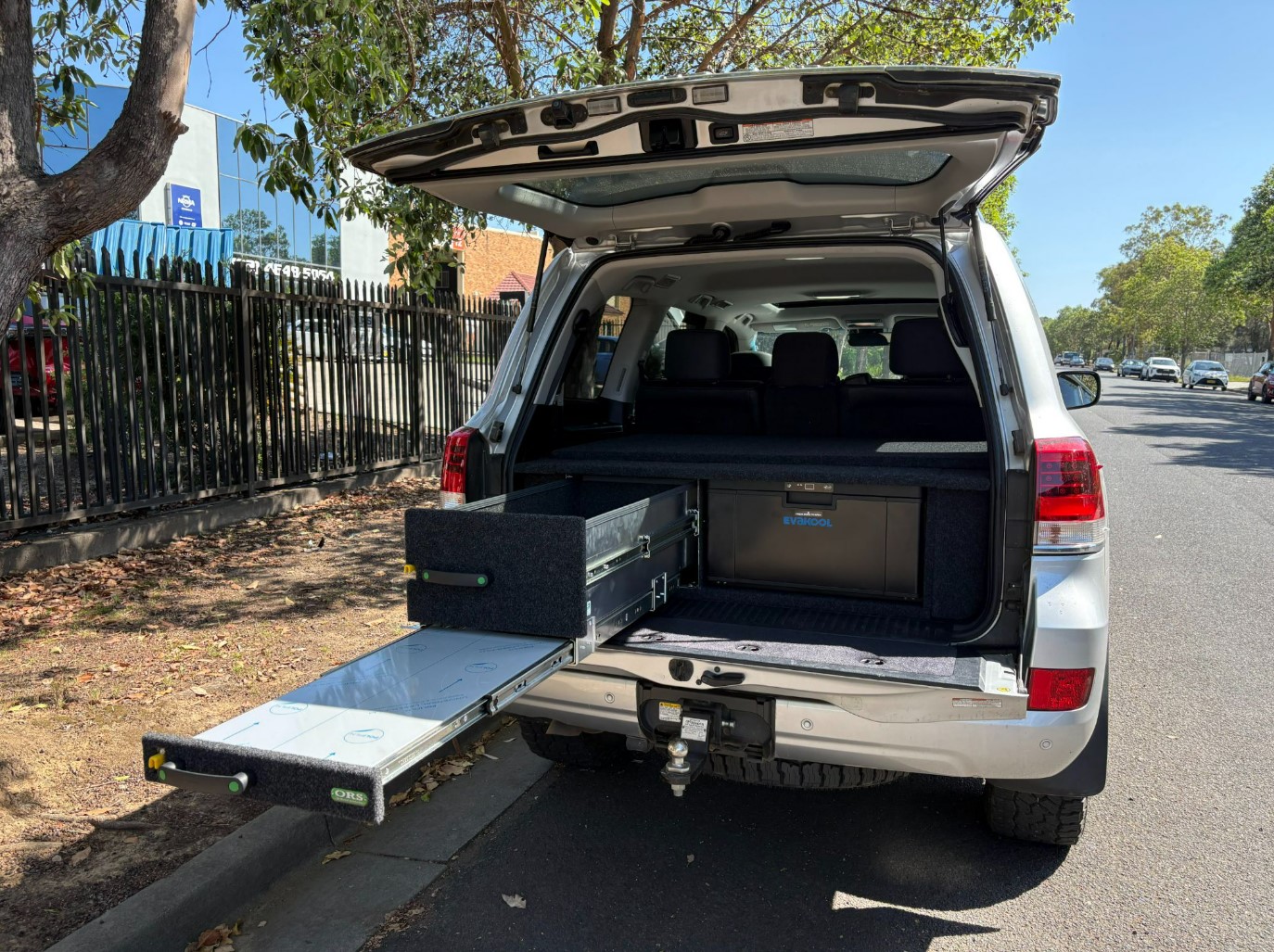
The free GVM calculator wasn’t built by a software company - it was built in a garage.
It started when I was setting up my own Toyota LandCruiser 200 Series for touring. Like many 4WD owners, I had a long wish list: bullbar, winch, drawers, roof rack, dual batteries, and a fridge. But as I started adding up the numbers, I hit a wall.
I realized that despite the LandCruiser's reputation as the ultimate tourer, the factory payload is surprisingly low once you start modifying it. As a typical Mechanical Engineer I built a complex spreadsheet to track every kilogram, calculating moment arms and axle loads to figure out where I sat legally.
The Reality of Modern 4WDs
Manufacturers design these vehicles for stock standard conditions. They are not engineered by the factory to carry 400kg of steel protection, recovery gear, and camping equipment while towing a caravan.
Most 4WDs will hit their Rear Axle Limit long before they hit their total GVM limit. This creates a dangerous "cantilever effect" where weight in the back lifts the front wheels, reducing steering traction and braking efficiency.
The "Engineer's Frustration"
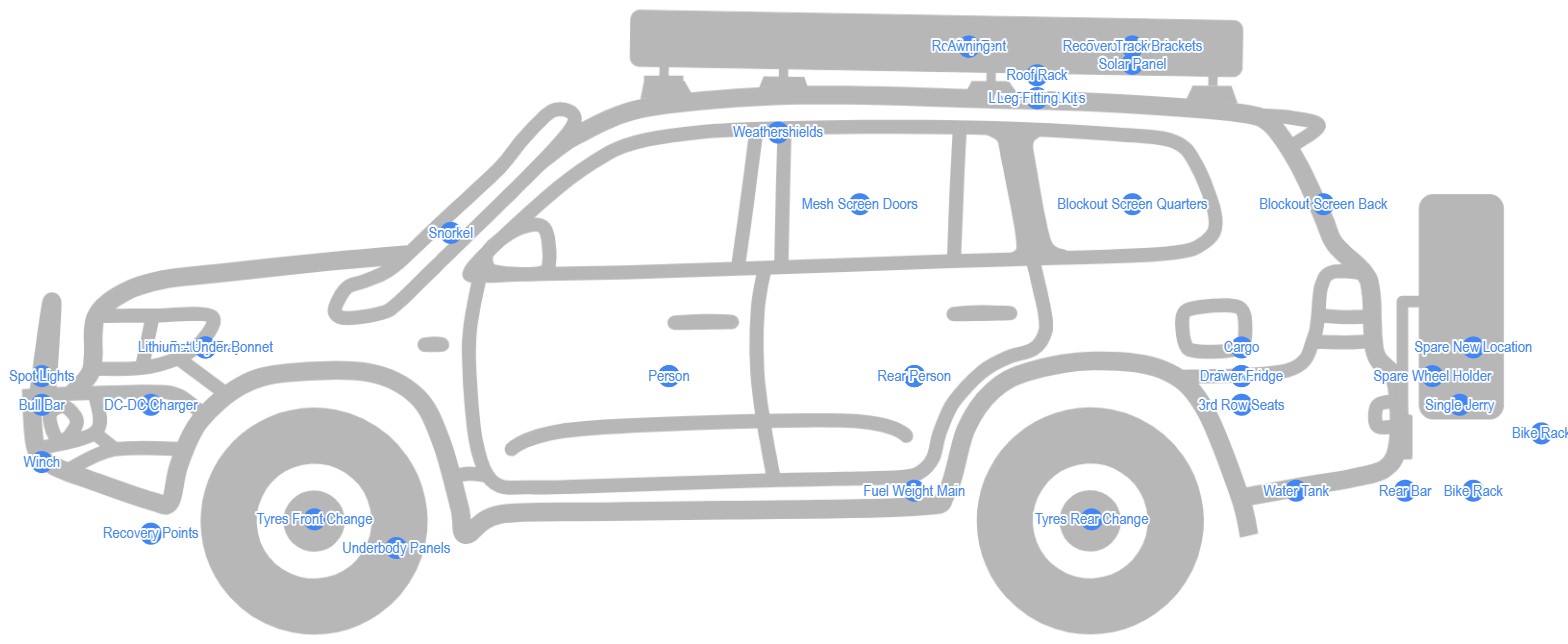
As a Mechanical Engineer, I found it baffling that a tool like this didn't already exist.
We spend thousands of dollars modifying our vehicles, yet figuring out if we are actually legal involves guessing, complex maths, or a trip to a weighbridge when it’s often too late. It became clear that staying legal isn't just about being careful - it’s actually mathematically difficult given how these vehicles are designed.
I realized that if I was struggling to balance the numbers with an engineering background, most other 4WDers were likely driving unknowingly overloaded vehicles. I decided to turn my personal spreadsheet into a public resource.
More Than Just Compliance
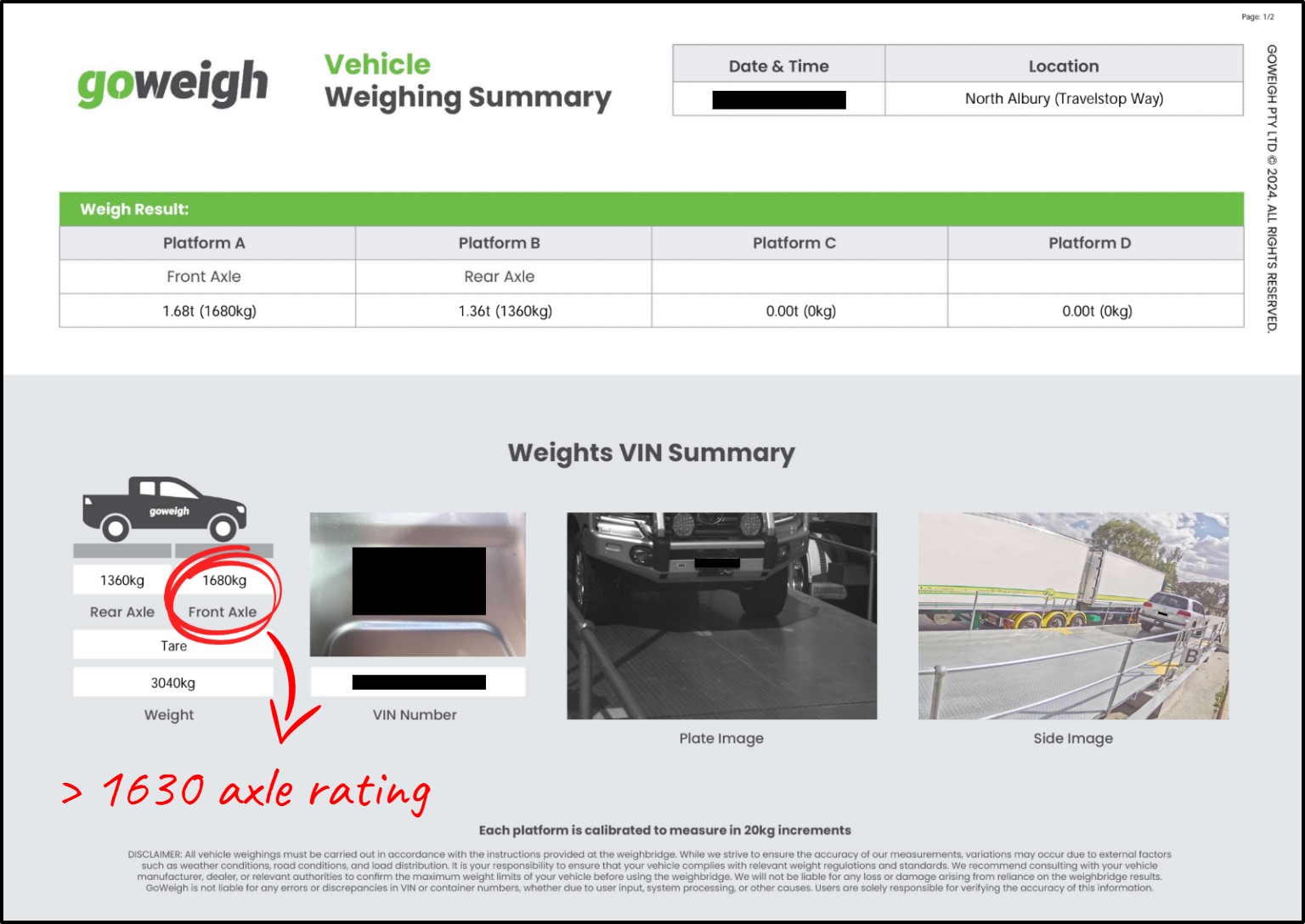
I was stocked when I took my vehicle over a weigh bridge with only bullbar and winch and nobody on board that it was over its front axle rating. While avoiding fines and insurance denials is critical, this project isn't just about ticking a regulatory box. It’s about building better vehicles.
A vehicle that is within its weight limits, and properly balanced across its axles, is a superior vehicle;
- Stability: It handles predictably in emergency manoeuvres.
- Comfort: The suspension works as intended rather than sitting on the bump stops.
- Capability: You maintain traction and clearance when off-road.
The free calculator is designed to help you plan your build before you spend the money, ensuring your rig is safe, legal, and ready for the tracks.
Introducing the Jimny
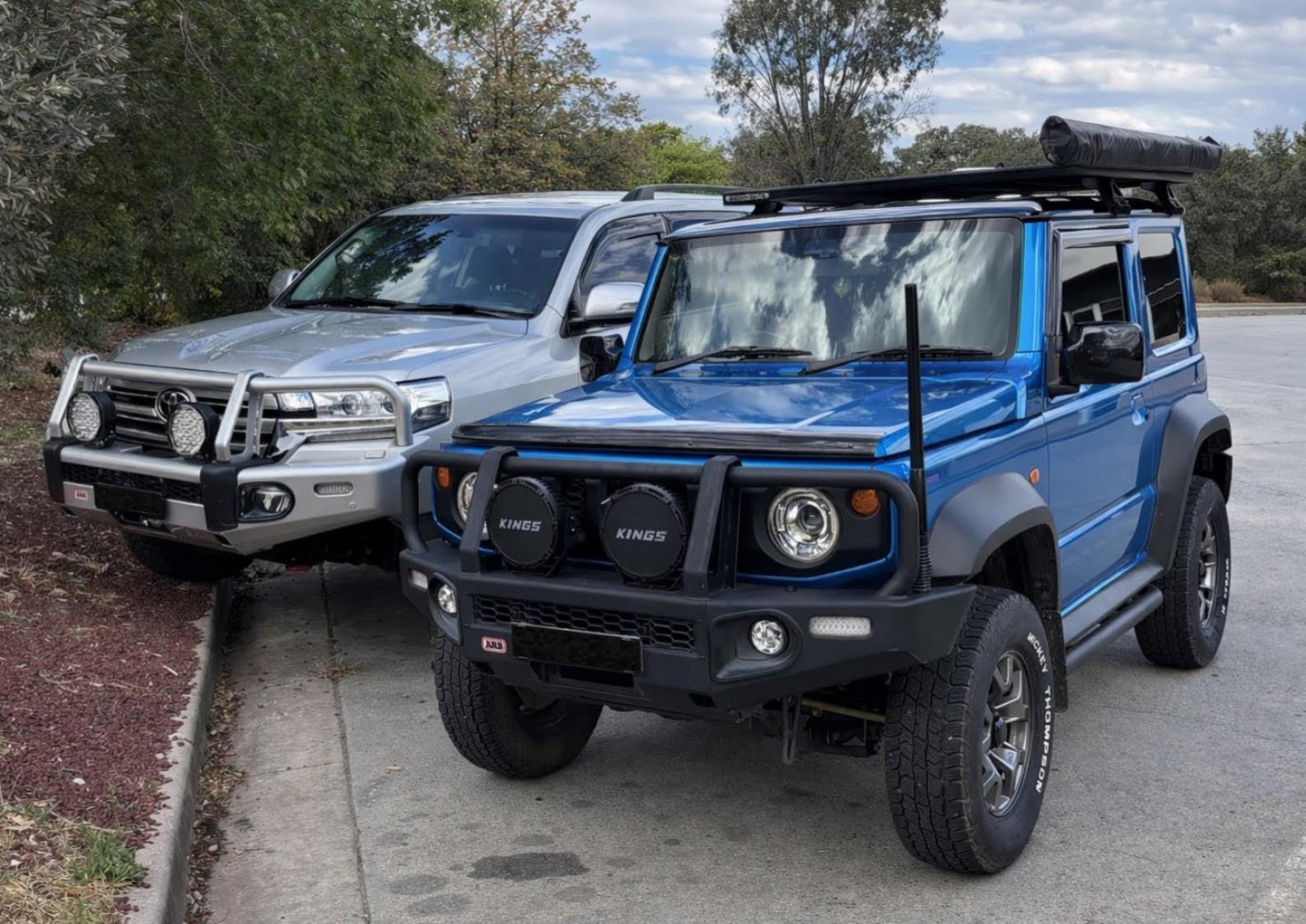
The calculator expanded beyond the 200 Series when the Project GVM household added a Suzuki Jimny. It came with all the fruit: roof rack, accessories, protection, and touring gear.
What quickly became obvious was how different the numbers feel on a smaller platform. On the LandCruiser, you’re fighting axle limits. On the Jimny, you’re fighting everything.
When we looked at adding something as simple as a rear bike rack, the reality hit fast, we couldn’t just bolt it on. To stay within GVM, we needed to remove unnecessary accessories. The roof rack, which seemed harmless, suddenly became a trade-off decision.
That was the turning point.
The calculator had to evolve. It wasn’t just about heavy tourers anymore, it needed to support lightweight platforms where every kilogram genuinely matters. The Jimny reinforced the same lesson as the 200 Series, just from the opposite end of the spectrum:
- Accessories add up quickly.
- Small vehicles have even less margin for error.
- Every modification is a weight trade-off.
Project GVM became a household tool, not just a single-vehicle spreadsheet. Whether it’s a full-size tourer or a compact weekend rig, the principle remains the same,plan the build before you bolt it on.
Keeping it Free
You might notice ads or product links on the site. My goal is to keep the calculator 100% free for the 4WD community - no subscriptions and no paywalls. I am not looking to make a fortune from this project; however, hosting a web application and maintaining the database does incur costs. The advertising you see simply helps cover these server expenses, ensuring the tool stays online, fast, and free for everyone to use when planning their next build.
Contact Us
Found a bug? Have a GVM upgrade kit spec to add? Interested in advertising?
Your contributions help keep this tool free and accurate for everyone.